Reviewing Mom in a Mikkion for Real Embroidery Projects
As a designer who has spent years digitizing patterns and testing them on everything from flimsy rayon to heavy denim, I approach every new machine embroidery design with a mix of curiosity and skepticism. We have all been there: you see a cute graphic online, download it, and then watch in horror as it puckers your fabric or turns into an unrecognizable blob of thread. That is why I took a close look at Mom in a Mikkion. This is not just about whether the image looks good on a screen; it is about how it performs when the needle hits the fabric.
The first thing that strikes you about Mom in a Mikkion is its personality. It feels warm, slightly whimsical, and deeply personal. For those of us in the Crafts sector, finding designs that balance charm with technical feasibility is half the battle. This piece falls squarely into the category of sentimental Graphics that appeal to family-oriented markets. But does it hold up under the presser foot? Let’s break down how this design behaves in real-world scenarios.
First Impressions and Visual Mood
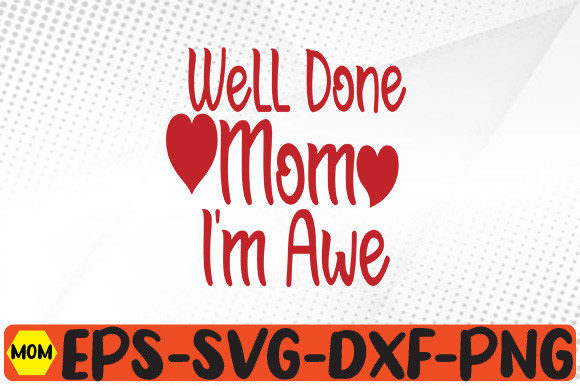
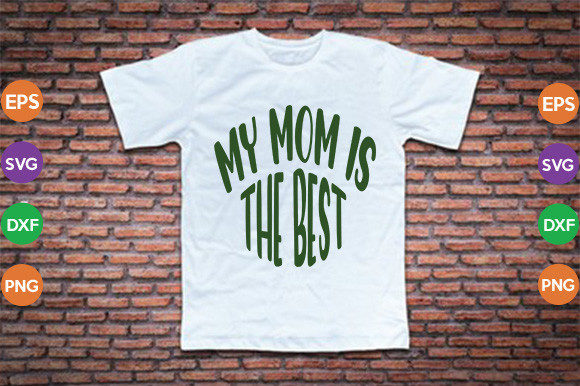
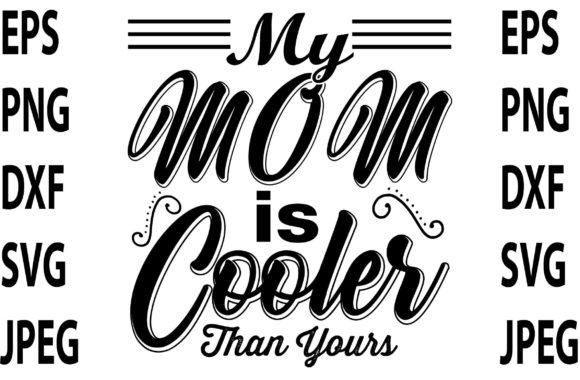
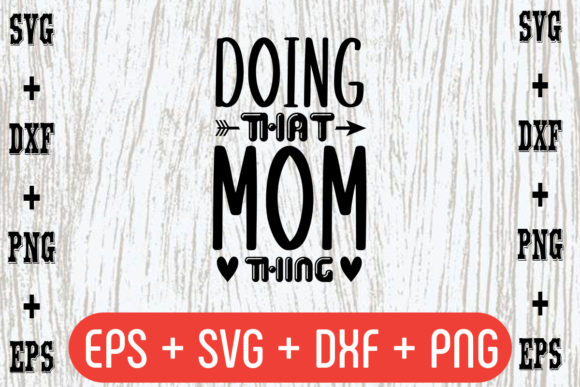
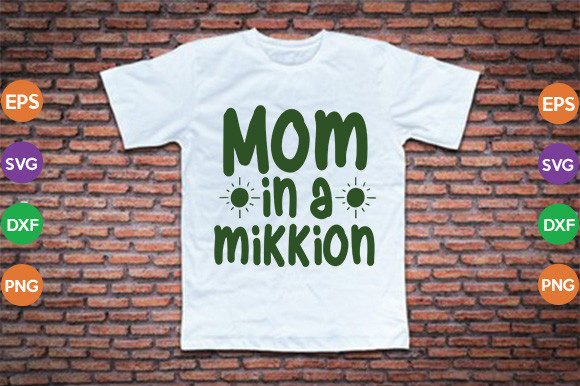
When I unzipped the file—remembering to use WinZip or WinRAR as noted in the description—I was greeted with SVG, PNG, DXF, and EPS formats. This variety is crucial. While the SVG and DXF are perfect for cutting machines if you want to create layered appliques, the PNG allows for quick mockups, and the EPS is vital for vector scaling without losing quality. The visual layout of Mom in a Mikkion suggests a design that relies on clear lines and recognizable shapes. In embroidery, ambiguity is the enemy. If a customer cannot tell what the image is from three feet away, the design has failed.
The mood here is nurturing and playful. It fits naturally into the niche of personalized family gifts. I immediately imagined this stitched onto a high-quality cotton tote bag or the chest of a heather grey sweatshirt. It does not scream for attention with aggressive colors; instead, it invites a closer look. This subtlety is a strength for boutique branding, where understated elegance often sells better than loud, chaotic imagery.
Real-World Application: From Mockup to Finished Product
To truly evaluate Mom in a Mikkion, I mentally placed it in several common production scenarios. Let’s say you are an Etsy seller preparing for the holiday rush. You want to offer a custom personalized gift for mothers. This design could serve as the central element of a sweatshirt embroidery project. Because the theme is specific to motherhood, it pairs beautifully with script fonts adding a name or date below the main graphic.
However, context matters. If you are stitching this onto a tote bag design, you need to consider the fabric weight. Canvas bags can handle higher stitch density, but if you are using a lighter linen, you must be cautious. The design’s integrity depends on proper stabilization. I would recommend using a cut-away stabilizer for garments that will be washed frequently, ensuring the finished product retains its shape after multiple cycles in the laundry.
For baby embroidery projects, such as onesies or burp cloths, the scale becomes critical. Mom in a Mikkion needs to be resized carefully. If scaled down too much, intricate details might merge. I always advise running a test stitch on scrap fabric of the same type before committing to the final garment. This is especially true for stretchy knits used in baby clothes, where hoop tension can distort the image if not managed correctly.
Technical Considerations for Stitching Success
Let’s talk about the mechanics. Since this is a digital download containing vector and raster files, you will likely need to digitize it yourself or use software that converts these formats into machine-readable code. If you are converting the SVG or DXF, pay close attention to how the software handles curves. Smooth curves in vector graphics can sometimes result in jagged running stitch paths if the auto-digitizing settings are too low.
If you are creating an applique design version of Mom in a Mikkion, the SVG format is your best friend. You can cut the fabric shapes precisely and then use a satin stitch or blanket stitch to secure the edges. This reduces the amount of thread on the back of the garment, making it more comfortable for wearables like t-shirts or caps. Speaking of caps, stitching on curved surfaces requires careful hooping. If you plan to put this on a baseball cap, ensure the design width fits within the front panel’s usable area. A design that is too wide will wrap around the curve and look distorted.
Thread colors play a massive role in how this design reads. On dark fabrics, you will need high-contrast threads to make the details pop. On light fabrics, you have more freedom, but avoid using white thread on white fabric unless you are going for a subtle, textured look. Always check your design in black and white mockups first. If it loses its definition in grayscale, it will likely lack clarity when stitched.
Where to Use Caution
While Mom in a Mikkion is versatile, it is not bulletproof. Avoid using it on very thin, slippery fabrics like silk chiffon without extensive stabilization and testing. The fabric texture can interfere with small details, causing them to sink into the weave. Similarly, be wary of using this on items that require frequent, harsh washing, such as kitchen towels, unless you use high-quality polyester threads that resist fading and breaking.
If you are selling commercial embroidery items, remember that the license terms are not explicitly detailed in the basic description beyond the file formats. Always verify whether the creator allows for commercial use of the finished items. Most designers do, but assuming this can lead to legal issues down the line. Check the seller’s shop policies or contact them directly if the license is unclear.
Enhancing Brand Value and Customer Trust
Using high-quality assets like Mom in a Mikkion elevates your small shop product lineup. Customers can spot a lazy, poorly executed design from a mile away. When you present a clean, well-stitched item, you build trust. This trust translates into repeat business and positive reviews. For craft business owners, consistency is key. If this design fits your brand’s aesthetic, use it across multiple products—pillow covers, aprons, and patches—to create a cohesive collection.
A well-executed embroidered patch featuring this design can be a standalone product. Patches are forgiving because you can stabilize them heavily and trim the excess fabric cleanly. They are also easy to ship, making them a great addition to your online store inventory.
Final Verdict for Designers and Makers
Mom in a Mikkion is a solid addition to your library of design assets. It offers emotional resonance and visual clarity, which are the two pillars of successful embroidery sales. However, its success depends entirely on your execution. Take the time to test, stabilize, and choose the right materials. Do not rush the process. Whether you are a hobbyist making gifts for friends or a professional decorator fulfilling bulk orders, treating this file with respect will yield beautiful results.
Remember, the file formats provided (SVG, PNG, DXF, EPS) give you flexibility, but they also require you to take responsibility for the digitization or conversion process. Ensure your software is up to date, and never skip the test stitch. In the world of handmade goods, precision is what separates the amateurs from the pros. Use Mom in a Mikkion wisely, and it will become a reliable staple in your embroidery project rotation.