Review: Senior Mom Class of 2021 Not Crying Design
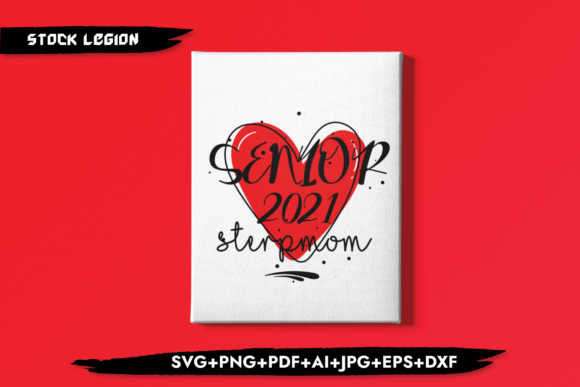
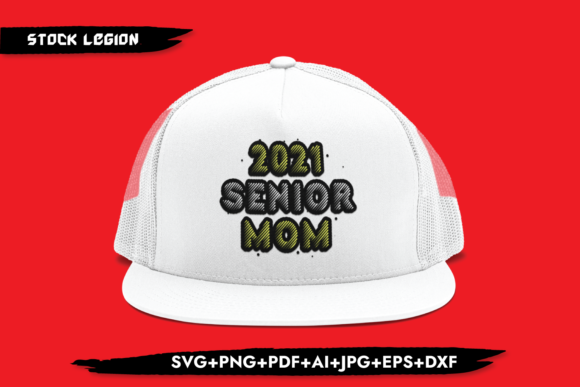
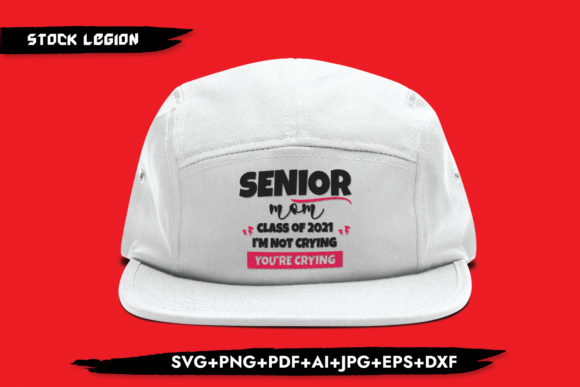
As a designer who spends more time staring at stitch maps than actual fabric, I have learned to be skeptical of trendy text-based graphics. The market is flooded with quick uploads that look fine on a screen but turn into a tangled mess under the needle. However, when I pulled up the Senior Mom Class of 2021 Not Crying design for a recent client project, my initial reaction was one of cautious optimism. This isn’t just another generic graduation quote; it captures a specific, humorous emotional beat that resonates deeply with parents sending their children off to college or into the workforce.
The phrase "I'm not crying, you're crying" is a cultural touchstone, and pairing it with the senior mom identity creates an instant connection. From a visual standpoint, the layout feels balanced. It avoids the cluttered aesthetic that plagues many digital embroidery files in the Crafts category. Instead, it relies on clean lines and readable typography, which is crucial when you are translating pixels into thread. For anyone running a small shop product line or selling on Etsy, this kind of clarity is what separates a return from a repeat customer.
Real-World Application: The Custom Sweatshirt Test
To truly evaluate any embroidery file, you have to move beyond the digital preview. I decided to test this design on a mid-weight cotton blend sweatshirt, a staple item for any custom apparel business. The goal was to create a personalized gift that felt high-end, not like a cheap promotional giveaway. The Senior Mom Class of 2021 Not Crying design performed surprisingly well in this context. Because the text is the primary focus, the stitch density needed to be managed carefully to prevent puckering on the knit fabric.
I noticed that the design’s structure allows for versatile scaling. Whether you are working on a tote bag design or a smaller embroidered patch for a cap, the proportions hold up. For the sweatshirt, I placed the design on the left chest area. This placement is classic and professional, appealing to buyers who want subtle branding rather than a loud statement across the back. The result was crisp, with the thread colors popping against the heather gray fabric. It reinforced the idea that this graphic is not just for novelty items but can elevate a handmade product into something boutique-worthy.
Navigating Fabric and Hoop Constraints
While the design is robust, it is not without its technical demands. Embroidery designers know that text-heavy graphics can be tricky on textured fabrics or stretchy materials. If you are planning to use this on a thin t-shirt or a delicate baby embroidery project, you must pay attention to your stabilizer choice. A cut-away stabilizer is often safer than tear-away for garments that will undergo frequent washing, ensuring the stitch density does not distort the fabric over time.
Another consideration is the hoop size. While the description mentions it includes a ZIP file with smooth properties, it is vital to check the specific dimensions before starting. If you are working with a small 4x4 hoop, you might need to resize the design, which can affect the readability of the smaller text elements. Always inspect small details after resizing. What looks sharp on a monitor can become a blob of satin stitch if scaled down too aggressively without adjusting the stitch count or density. For curved surfaces like caps, consider using a foam backing to lift the design and prevent the stitches from sinking into the fabric texture.
Commercial Viability and Brand Consistency
For craft business owners and digital product sellers, the commercial potential of this design is significant. Graduation season is a peak time for sales, and products that evoke emotion sell faster. This design fits seamlessly into holiday embroidery collections or as part of a broader series of family-centric graphics. It works well for aprons, pillow covers, and even kitchen towels, expanding its utility beyond just clothing.
However, professionalism is key. When listing this as a finished product or a digital embroidery file, ensure your mockups reflect the quality of the final stitch-out. Use printable mockup tools to show the design on various backgrounds, but always verify the look with physical samples. Buyer engagement increases when customers can see how the thread colors interact with different fabric textures. A black-and-white mockup can also help you assess contrast and readability before committing to expensive threads.
Practical Designer Notes for Best Results
Before you run this design on a client’s expensive garment, follow these practical steps to ensure success:
- Test on Scrap Fabric: Always stitch out a sample on the same type of fabric you intend to use for the final product. This helps you identify any tension issues or thread breaks.
- Check Thread Color Contrast: Since this is a text-based design, high contrast between the thread and fabric is essential for readability. Avoid low-contrast combinations unless you are aiming for a subtle, tonal effect.
- Review Stitch Density: If your machine allows, review the stitch map. Look for areas where satin stitch borders meet fill stitch regions, as these can sometimes cause buildup or nesting.
- Confirm Licensing: The product description notes these are cutting files tested for quality, but always confirm the license terms. Ensure you have the right to use the design for commercial embroidery projects if you plan to sell finished items.
- Inspect Small Details: Zoom in on the digital file to check for stray nodes or overlapping paths that could cause machine errors.
In conclusion, the Senior Mom Class of 2021 Not Crying design is a solid addition to any designer’s library of graphics. It balances humor with sentiment, making it a versatile choice for personalized gifts and small shop merchandise. By paying attention to fabric choice, stabilizer support, and stitch density, you can transform this digital asset into a high-quality finished product that customers will cherish. It is a reminder that even in the world of automated cutting and stitching, the human touch in selection and execution makes all the difference.