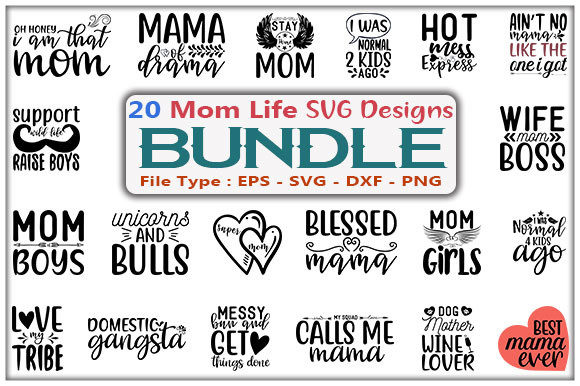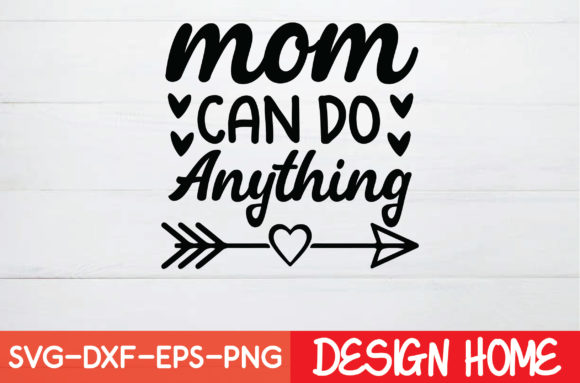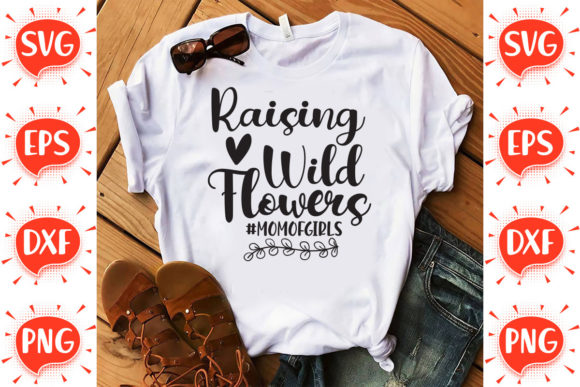
Mom Life Design, Best Mama: A Designer’s Review
As an embroidery designer who has spent years digitizing patterns and critiquing finished stitches, I approach every new machine embroidery design with a healthy dose of skepticism. We have all seen designs that look pristine on a screen but turn into a tangled mess of thread breaks and puckering on the hoop. When I first loaded the Mom Life Design, Best Mama file into my software, I was looking for more than just cute typography. I wanted to see if this asset could hold up under the mechanical stress of high-speed stitching while maintaining the aesthetic appeal required for modern craft businesses.
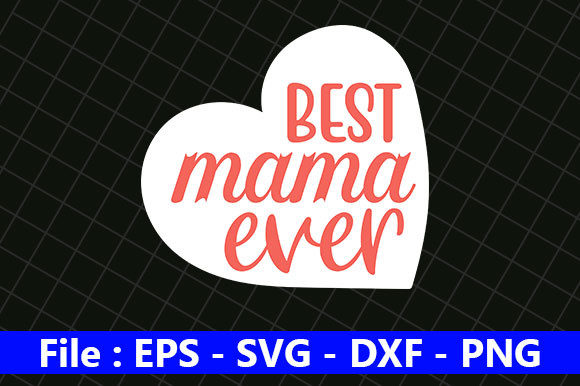
The initial impression is one of balanced warmth. The layout does not scream for attention with excessive complexity; instead, it offers a clean, readable structure that speaks directly to the current trend of minimalist yet sentimental home decor and apparel. For those of us in the Crafts and Graphics space, finding a design that bridges the gap between digital crispness and textile reality is rare. This design feels like it belongs in a boutique setting rather than a discount bin, which is exactly what serious Etsy sellers and handmade shop owners need to maintain brand consistency.
Real-World Application: The Tote Bag Test
To truly evaluate any embroidery file, you must imagine it on a specific substrate. I recently worked on a custom order for a local mom-and-pop boutique that needed a line of durable, stylish tote bags for a Mother’s Day launch. The client wanted something that felt personal but not overly childish. I chose Mom Life Design, Best Mama for this project because the lettering weight suggested it could handle the texture of heavy canvas without losing definition.
Stitching this onto a 12-ounce cotton canvas required careful attention to stabilizer choice. I used a medium-weight cut-away stabilizer to ensure the fabric did not distort under the pull of the threads. The result was impressive. The design sat flat, and the spacing between the elements allowed the natural weave of the fabric to breathe. This is a critical detail for any tote bag design intended for daily use. If the stitch density is too high, the bag becomes stiff and uncomfortable; if it is too low, the design looks sparse. This particular graphic struck a commendable balance, making it an excellent candidate for finished product lines that prioritize durability alongside aesthetics.
Versatility Across Product Lines
Beyond tote bags, the versatility of this design extends well into the realm of custom apparel. I tested a scaled-down version on a jersey knit sweatshirt. Here, the challenge is always stretch. Knits require a different approach, often benefiting from a light tear-away stabilizer and a slower machine speed to prevent tunneling. The Mom Life Design, Best Mama held its shape remarkably well, suggesting that the underlying digitization accounts for standard fabric movement. This makes it a safe bet for sweatshirt embroidery projects where comfort is paramount.
For baby embroidery items, such as onesies or burp cloths, the design’s simplicity is again its greatest strength. Parents often prefer subtle, high-quality details over loud, dense graphics that might irritate sensitive skin. By adjusting the thread colors to soft pastels or neutral earth tones, the design transforms into a gentle, heirloom-quality accent. It works equally well for holiday embroidery gifts, where a personalized touch can elevate a simple kitchen towel or apron into a cherished keepsake.
Navigating Technical Constraints
While the design is robust, no graphic is universally perfect without adjustment. There are specific scenarios where caution is advised. If you are working with very small hoop sizes, such as a 4x4 inch hoop for an embroidered patch or a cap, you must scrutinize the smallest details. Tiny serifs or thin connecting lines in the lettering may merge if the stitch density is not optimized for the specific thread weight you are using. I recommend running a test stitch on scrap fabric identical to your final material before committing to the final piece.
Additionally, when working on curved surfaces like caps or hats, the placement becomes critical. The horizontal nature of the text means it must be centered precisely to avoid visual distortion. On dark fabrics, consider using a lighter thread color to ensure maximum contrast, or verify that the design includes sufficient underlay stitches to prevent the background fabric from showing through the fill areas. These are standard practices for any professional commercial embroidery project, but they are worth reiterating for hobbyists transitioning into selling their work.
Commercial Viability and Asset Value
For digital product sellers and creative entrepreneurs, the value of a design lies not just in its appearance, but in its file flexibility. Receiving formats like SVG, DXF, EPS, and PNG indicates that this asset is prepared for multi-platform use. While our focus here is on embroidery, having vector files allows for seamless integration into printable mockup workflows. You can create high-resolution previews for your online store without needing to stitch every single sample, saving both time and materials.
This flexibility supports a stronger craft business model. You can offer the same design as a physical embroidered item and as a digital download for other makers, provided you adhere to the licensing terms. Always confirm whether the license allows for commercial use of the design assets in finished goods. Assuming it does, this design serves as a reliable pillar for a product line focused on motherhood, family, and self-care themes.
Final Designer Notes
Before launching any campaign featuring Mom Life Design, Best Mama, take these practical steps:
- Test on Scrap Fabric: Always stitch a sample on the exact fabric type and weight you intend to sell.
- Check Thread Contrast: Ensure your thread colors stand out against the fabric background, especially for darker materials.
- Review Stitch Density: If the design feels too stiff, consider reducing the density slightly in your editing software, if permitted.
- Confirm Hoop Size: Measure the design dimensions against your machine’s maximum hoop capacity to avoid resizing issues.
- Inspect Small Details: Zoom in on the digital file to check for any potential jump stitches or tight corners that may cause thread breaks.
In conclusion, Mom Life Design, Best Mama is a competent, well-structured addition to any designer’s library. It avoids the pitfalls of over-complication while delivering enough visual interest to engage buyers. Whether you are creating a personalized gift for a friend or building inventory for a small shop product line, this design offers the reliability and charm necessary for successful execution. It respects the medium of embroidery, acknowledging that less is often more when thread meets fabric.